
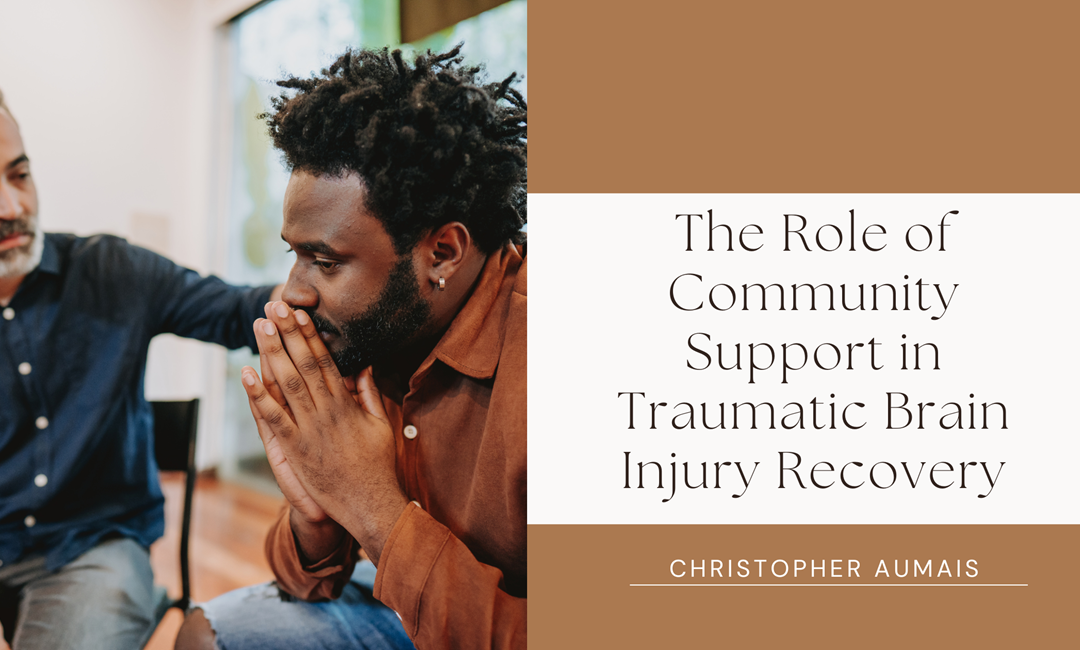
Recovering from a traumatic brain injury (TBI) is a long and complex process that often extends beyond medical treatments. While medical professionals play a crucial role in the initial stages of recovery, community support is equally vital in helping individuals rebuild their lives after a TBI. The social, emotional, and practical support provided by a caring community can make a significant difference in the recovery journey, offering not only a sense of belonging but also critical resources for long-term rehabilitation.
One of the most important aspects of community support in TBI recovery is the sense of social connection it fosters. For many individuals who have suffered a TBI, the injury can lead to feelings of isolation, anxiety, and depression as they adjust to the changes in their cognitive and physical abilities. Being part of a supportive community helps individuals maintain social interactions, which are essential for emotional well-being. Friends, family members, and community groups can provide emotional comfort and encouragement, helping the individual feel less alone in their recovery journey. This network of support can also help rebuild confidence, which is often shaken after a traumatic injury.
Community involvement offers practical support that can significantly aid the recovery process. Many individuals recovering from a TBI face challenges in managing daily tasks, such as transportation, household chores, or navigating complex medical appointments. Community members can step in to provide practical assistance, whether through volunteer programs, local support groups, or simply offering a helping hand. These acts of kindness not only ease the burden on the individual but also create a supportive environment that fosters healing.
Support groups specifically designed for individuals with TBI and their families play a critical role in the recovery process. These groups provide a safe space where individuals can share their experiences, challenges, and progress with others who understand what they are going through. Hearing from others who have faced similar struggles can provide invaluable emotional support, offering hope and inspiration. Moreover, these groups often offer educational resources, helping individuals and their families better understand the complexities of TBI and how to navigate the road to recovery.
In addition to social and practical support, community involvement can help individuals recovering from TBI engage in meaningful activities that promote cognitive and emotional rehabilitation. Many community centers and organizations offer programs designed to improve cognitive function, physical abilities, and emotional health. Activities such as art therapy, music therapy, and group exercises can stimulate brain function while also providing a sense of accomplishment and enjoyment. These community-based programs not only aid in the physical and cognitive recovery but also help individuals regain a sense of purpose and fulfillment in their daily lives.
Finally, community support helps to raise awareness about TBI and reduce the stigma often associated with brain injuries. Through advocacy, education, and community outreach, individuals recovering from TBI and their families can receive the understanding and support they need from the broader community. Raising awareness also helps create more inclusive environments where individuals with TBI can participate in social, professional, and recreational activities without feeling marginalized.
In conclusion, community support plays an essential role in the recovery process for individuals with traumatic brain injuries. By providing social connections, practical assistance, and rehabilitation opportunities, a strong community can make a profound impact on an individual’s emotional and physical healing. The power of a caring and supportive community cannot be underestimated in helping individuals with TBI reclaim their lives and move forward on the path to recovery.